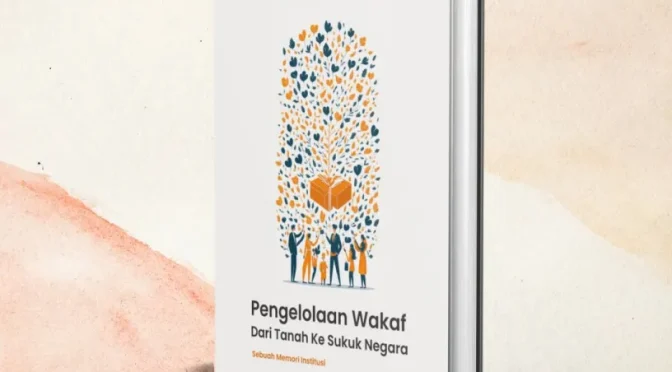
Selama berabad-abad wakaf bagi kebanyakan umat Islam di Indonesia identik dengan harta tidak bergerak, seperti wakaf tanah dan bangunan yang pemanfaatannya terbatas dalam lingkup fungsi sosial, pendidikan dan peribadatan.
Terbayangkah bagi kita, wakaf bisa dalam bentuk uang, saham, hak paten dan sebagainya? Setelah dekade tahun 2000-an inovasi perwakafan terus menggelinding seiring dengan kemajuan masyarakat dan perkembangan perekonomian negara.
Lahirnya Undang-Undang Nomor 41 Tahun 2004 tentang Wakaf dan peraturan pelaksananya menghadirkan dinamika perwakafan dan semangat baru dalam pengelolaan wakaf di negara kita. Ketentuan dalam Undang-Undang Wakaf menegaskan definisi wakaf sebagai perbuatan hukum wakif untuk memisahkan dan menyerahkan sebagian harta benda miliknya untuk dimanfaatkan selamanya atau untuk jangka waktu tertentu guna keperluan ibadah dan kesejahteraan umum menurut syariah.
Undang-Undang Wakaf mengelompokkan harta benda wakaf terdiri dari benda tidak bergerak dan benda bergerak. Wakaf benda tidak bergerak meliputi: (a) hak atas tanah; (b) bangunan atau bagian bangunan yang berdiri di atas tanah; (c) tanaman dan benda lain yang berkaitan dengan tanah; (d) hak milik atas satuan rumah susun, dan (e) benda tidak bergerak lain sesuai dengan ketentuan syariah dan peraturan perundang-undangan yang berlaku. Sementara itu wakaf benda bergerak meliputi: (a) uang; (b) logam mulia; (c) surat berharga; (d) kendaraan; (e) hak atas kekayaan intelektual; (f) hak sewa; dan (g) benda bergerak lain sesuai dengan ketentuan syariah dan peraturan perundang-undangan yang berlaku.
Menurut Peraturan Pemerintah Nomor 42 Tahun 2006 tentang Pelaksanaan Undang-Undang Nomor 41 Tahun 2004 tentang Wakaf sebagaimana telah diubah dengan Peraturan Pemerintah Nomor 25 Tahun 2018, benda bergerak selain uang karena peraturan perundang-undangan yang dapat diwakafkan adalah: (a) surat berharga yang berupa: saham, Surat Utang Negara, obligasi pada umumnya; dan/atau surat berharga lainnya yang dapat dinilai dengan uang, (b) Hak Atas Kekayaan Intelektual yang berupa: hak cipta, hak merk, hak paten, hak desain industri, hak rahasia dagang, hak sirkuit terpadu, hak perlindungan varietas tanaman, dan/atau hak lainnya, dan (c) hak atas benda bergerak lainnya yang berupa: hak sewa, hak pakai dan hak pakai hasil atas benda bergerak; atau perikatan, tuntutan atas jumlah uang yang dapat ditagih atas benda bergerak.
Sesuai aturan perundang-undangan wakaf sah apabila dilaksanakan menurut syariah. Wakaf yang telah diikrarkan tidak dapat dibatalkan. Harta benda wakaf yang sudah diwakafkan dilarang dijadikan jaminan, disita, dihibahkan, dijual, diwariskan, ditukar atau dialihkan dalam bentuk pengalihan hak lainnya, kecuali dengan Izin tertulis dari Menteri Agama berdasarkan pertimbangan Badan Wakaf Indonesia (BWI).
Menurut regulasi, izin perubahan status harta benda wakaf dalam bentuk penukaran hanya dapat diberikan dengan pertimbangan: (a) perubahan harta benda wakaf tersebut digunakan untuk kepentingan umum sesuai dengan rencana tata ruang (RUTR) berdasarkan ketentuan peraturan perundangan dan tidak bertentangan dengan prinsip Syariah, (b) harta benda wakaf tidak dapat dipergunakan sesuai dengan ikrar wakaf; atau (c) pertukaran dilakukan untuk keperluan keagamaan secara langsung dan mendesak. Selain dari pertimbangan di atas izin pertukaran harta benda wakaf hanya dapat diberikan jika: (a) pengganti harta benda penukar memiliki sertifikat atau bukti kepemilikan sah sesuai dengan peraturan perundang-undangan; dan (b) nilai harta benda penukar lebih tinggi atau senilai dan seimbang dengan harta benda wakaf.
Wakif atau pihak yang mewakafkan harta benda miliknya meliputi perseorangan, organisasi dan badan hukum. Nazhir yakni pihak yang menerima harta benda wakaf untuk dikelola meliputi Nazhir perseorangan, nazhir organisasi; atau nazhir badan hukum. Nazhir wakaf baik perseorangan, organisasi, atau nazhir badan hukum wajib mengelola wakaf sebagai amanah umat sesuai peruntukannya.
Tugas nazhir dalam Undang-Undang Wakaf sangat jelas, yaitu melakukan pengadministrasian harta benda wakaf, mengelola dan mengembangkan harta benda wakaf sesuai dengan tujuan, fungsi dan peruntukannya, mengawasi dan melindungi harta benda wakaf serta melaporkan pelaksanaan tugasnya kepada Badan Wakaf Indonesia (BWI).
Pejabat Pembuat Akta Ikrar Wakaf (PAIW) terhadap harta benda wakaf tidak bergerak berupa tanah adalah Kepala KUA dan/atau pejabat yang menyelenggarakan urusan wakaf, sedangkan PPAIW harta benda wakaf bergerak selain uang adalah Kepala KUA dan/atau pejabat lain yang ditunjuk oleh Menteri. Adapun PPAIW harta benda wakaf bergerak berupa uang adalah pejabat pada Lembaga Keuangan Syariah (LKS) yang ditunjuk oleh Menteri, dengan tidak menutup kesempatan bagi Wakif untuk membuat Akta Ikrar Wakaf (AIW) di hadapan Notaris dengan persyaratan Notaris sebagai Pembuat Akta Ikrar Wakaf yang ditetapkan oleh Menteri Agama.
Dalam rangka memajukan dan mengembangkan perwakafan nasional, pemerintah membentuk Badan Wakaf Indonesia berdasarkan undang-undang dan menjadi mitra strategis Kementerian Agama. Badan Wakaf Indonesia berkedudukan di ibukota Negara Kesatuan Republik Indonesia dan dapat membentuk perwakilan di Provinsi dan/ atau Kabupaten/Kota sesuai dengan kebutuhan.
Badan Wakaf Indonesia mempunyai tugas dan wewenang: (a) melakukan pembinaan terhadap Nazhir dalam mengelola dan mengembangkan harta benda wakaf, (b) melakukan pengelolaan dan pengembangan harta benda wakaf berskala nasional dan internasional, (c) memberikan persetujuan dan/atau izin atas perubahan peruntukan dan status harta benda wakaf, (d) memberhentikan dan mengganti Nazhir, (e) memberikan persetujuan atas penukaran harta benda wakaf, (f) memberikan saran dan pertimbangan kepada Pemerintah dalam penyusunan kebijakan di bidang perwakafan.
Dalam melaksanakan tugasnya Badan Wakaf Indonesia dapat bekerjasama dengan instansi Pemerintah baik Pusat maupun Daerah, organisasi masyarakat, para ahli, badan internasional, dan pihak lain yang dipandang perlu. Badan Wakaf Indonesia dalam melaksanakan tugas juga memperhatikan saran dan pertimbangan Menteri Agama dan Majelis Ulama Indonesia (MUI).
Pemerintah melalui Kementerian Agama menjalankan peran strategis sebagai regulator dan dinamisator pengelolaan wakaf sesuai perundang-undangan. Pemberdayaan wakaf saat ini diharapkan mewarnai pertumbuhan ekonomi dan keuangan syariah di tanah air.
Pertumbuhan ekonomi dan keuangan syariah dengan dukungan instrumen wakaf haruslah ditempatkan dalam konteks memakmurkan bangsa. Untuk itu sinergi dan interkoneksi kebijakan lintas-otoritas para pemangku kepentingan yang telah berjalan selama ini harus lebih diperkuat dan dioptimalkan.
Wakaf bukan sekadar sebuah kelembagaan religius yang hanya terbatas menyangkut dimensi keagamaan semata. Wakaf jika dioptimalkan dapat bertransformasi menjadi kelembagaan sosio-ekonomi yang menaungi kepentingan seluruh umat manusia. Untuk itu pemerintah dalam hal ini Kementerian Agama bersama para stakeholder perwakafan perlu menyusun peta jalan (road-map) pengembangan wakaf berskala nasional dan melakukan langkah kolaboratif agar pengelolaan wakaf semakin maju dan meningkat kontribusinya untuk kepentingan agama, bangsa dan kemanusiaan.
Sejak dua dekade belakangan masyarakat dikenalkan dengan wakaf dalam bentuk harta bergerak atau Wakaf Tunai/Wakaf Uang. Wakaf Tunai atau Cash Waqf tercantum dalam Undang-Undang Nomor 41 Tahun 2004 tentang Wakaf yang didahului keluarnya Keputusan Fatwa MUI tahun 2002 tentang Wakaf Uang. Gerakan Nasional Wakaf Uang telah dicanangkan oleh Presiden Republik Indonesia pada 25 Januari 2021.
Produk terbaru wakaf uang, yaitu Cash Waqf Linked Sukuk (CWLS) dan CWLS Ritel yang didukung oleh lintas institusi Kementerian Keuangan, Bank Indonesia (BI), Kementerian Agama dan Badan Wakaf Indonesia (BWI) adalah bukti nyata betapa kemitraan strategis yang dibangun menghasilkan inovasi yang bermanfaat.
Pada akhir 2018 ditanda-tangani Nota Kesepahaman Bersama Kementerian Keuangan, Kementerian Agama, Bank Indonesia dan Badan Wakaf Indonesia (BWI) tentang Pengelolaan Harta Wakaf Melalui Pengembangan Waqf Linked Sukuk. Integrasi Sukuk dengan Wakaf merupakan terobosan penting dalam upaya mengaktualisasikan potensi ekonomi umat khususnya wakaf tunai. Tentu sangat diharapkan berbagai terobosan dan inovasi pengelolaan wakaf memberi dampak signifikan terhadap kesejahteraan yang dapat dinikmati oleh seluruh rakyat Indonesia.
Mengutip materi sosialisasi CWLS yang dipublikasikan oleh Kementerian Keuangan RI, Direktorat Jenderal Pengelolaan Pembiayaan dan Risiko, Direktorat Pembiayaan Syariah, tujuan CWLS Ritel ialah: (1) memudahkan masyarakat untuk berwakaf uang yang aman dan produktif, (2) mengembangkan inovasi di bidang keuangan dan investasi sosial di Indonesia, (3) mendorong pertumbuhan ekonomi yang inklusif dan berkelanjutan, (4) mendukung Gerakan Wakaf Nasional, membantu pengembangan investasi sosial, dan pengembangan wakaf produktif di Indonesia, (5) penguatan ekosistem wakaf uang di Indonesia.
Karakteristik CWLS Ritel, diperuntukkan bagi investor/wakif Individu dan Institusi, sesuai prinsip syariah, minimum pemesanan Rp1 Juta maksimum pemesanan tidak terbatas, dan tenor 2 tahun, untuk yang wakaf temporer 100% kembali ke wakif, sedangkan wakaf permanen dana akan dikelola oleh Nazhir
Seperti halnya APBN sebagai keuangan publik dituntut harus fokus dan tepat sasaran serta dipastikan memiliki manfaat ekonomi dan meningkatkan kesejahteraan rakyat, pengelolaan dana wakaf sebagai instrumen keuangan sosial islam juga harus fokus dan tepat sasaran sesuai ketentuan syariah dan regulasi. Pengelolaan dana wakaf memerlukan back up regulasi, sistem pengawasan dan audit serta pelaporan yang transparan. Otoritas terkait sudah memikirkan dan menyiapkannya. Ini sebuah milestone baru dalam sejarah pengelolaan wakaf kontemporer di Indonesia.
Mengutip Raditya Sukmana (2015) kelebihan wakaf sebagai sumber dana pembiayaan syariah ialah karena wakaf sebagai bagian dari sistem ekonomi Islam yang komprehensif memungkinkan manfaat dari pengelolaan wakafnya digunakan untuk banyak hal yang termasuk kebaikan, termasuk membantu pebisnis mikro yang ingin mengembangkan usahanya.
Sesuai ijtihad kontemporer dan hukum positif yang berlaku, wakaf terdiri atas: Pertama, wakaf temporer atau sementara, yaitu wakaf yang memiliki jatuh tempo dan dapat kembali pada pemiliknya, Kedua, wakaf mua’abbad atau wakaf kekal, yaitu akad wakaf yang berlangsung kekal, baik zat bendanya maupun manfaatnya.
Pengelolaan wakaf uang sebagai satu milestone baru dalam sejarah pengelolaan wakaf kontemporer di Indonesia diharapkan menjadi lokomotif kebangkitan ekonomi umat dan instrumen penanggulangan kemiskinan di negara kita. Potensi wakaf uang memiliki prospek sebagai salah satu pilar untuk mewujudkan visi Indonesia sebagai pusat pertumbuhan ekonomi syariah dunia. Selain CWLS, juga lahir inovasi Cash Waqf Linked Deposit (CWLD) melalui skema kerjasama dengan perbankan.
Pengembangan wakaf merupakan salah satu sisi penting dalam akselerasi pertumbuhan ekonomi dan keuangan syariah di negara kita dan di dunia Islam umumnya. Sistem keuangan syariah di dunia Islam kontemporer memiliki dua pondasi yaitu sektor keuangan komersial seperti perbankan, pasar modal, asuransi, dan sektor keuangan sosial seperti zakat dan wakaf.
Sejak beberapa tahun belakangan makin disadari pentingnya memperkuat ekosistem wakaf. Pengembangan tata kelola wakaf memerlukan ekosistem yang menggambarkan hubungan timbal-balik para pembuat kebijakan. Sejalan dengan spirit penguatan ekosistem pemberdayaan wakaf, maka regulasi, tata kelola, struktur kelembagaan, literasi dan sebagainya harus lebih terkonsolidasi dan berkolaborasi dengan lingkungan eksternal.
Status harta wakaf, perlindungan hukum dan utilitas atau kemanfaatannya sebagai aset yang telah diwakafkan, baik tanah, bangunan, uang atau selain uang memerlukan pengelolaan yang baik, termasuk menyinergikan dengan instrumen keuangan sosial lainnya dalam Islam seperti zakat.
Sementara itu ekosistem wakaf yang tercipta karena regulasi dan timbul sebagai dinamika di lapangan memerlukan upaya untuk menghidupkannya. Pemberdayaan wakaf bukan hanya sebatas tugas administratif semata, seperti pendaftaran tanah wakaf, pengesahan nazir dan istibdal (tukar-ganti) harta benda wakaf. Pemberdayaan wakaf pada prinsipnya memerlukan kemitraan strategis dengan para pemangku kepentingan (stakeholders) dan pihak terkait baik di pusat maupun di daerah.
Wakaf adalah unsur penting dalam sistem manajemen aset umat Islam yang bersifat jangka panjang sehingga memerlukan inovasi dan kerja sama investasi yang aman dan menguntungkan agar menghasilkan kesejahteraan dan kemakmuran masyarakat sejalan dengan prinsip syariah dan kemaslahatan umat. Proses perwakafan sejak dari perpindahan kepemilikan dari Wakaf kepada umat yang diwakili oleh Nazhir harus menjamin kepastian hukum. PPAIW merupakan perangkat otoritas yang sah menurut hukum dan perundang-undangan untuk menerbitkan bukti legalitas wakaf.
Untuk itu sosialisasi dan edukasi wakaf harus dilakukan dengan strategi komunikasi yang menyentuh semua kalangan, di samping menumbuh-kembangkan program wakaf produktif, sehingga kepedulian masyarakat terhadap wakaf semakin meningkat.
Sekarang momen yang tepat bagi umat Islam, ormas-ormas Islam dan lembaga keuangan syariah untuk mengambil peran terdepan dalam mengembangkan perwakafan, termasuk Wakaf Uang, Wakaf Saham dan sebagainya, dalam kerangka penguatan instrumen keuangan sosial Islam.
Pengelolaan dana wakaf sebagai instrumen keuangan sosial Islam harus memenuhi prinsip akuntabilitas dan kehatian-hatian (prudential) sesuai ketentuan syariah dan ketentuan perundang-undangan. Saya perlu tegaskan bahwa tata kelola wakaf bukan sekadar mengkapitalisasi jumlah dana dan nilai angka, tetapi tata kelola wakaf sejatinya adalah urusan kemaslahatan umum dan ibadah dengan harta.
Partisipasi berwakaf dan gerakan wakaf memerlukan penguatan literasi dan edukasi kepada kalangan generasi millenial sebagai pemegang estafet masa depan bangsa. Pembaruan materi wakaf dalam kurikulum pendidikan di sekolah dan perguruan tinggi serta berbagai kegiatan wakaf yang melibatkan generasi muda sangat diperlukan untuk membuka wawasan dan cakrawala generasi milenial tentang wakaf. Umat Islam memiliki wadah edukasi keagamaan yang tersebar secara merata yaitu masjid, pesantren, dan kampus. Bicara wakaf tidak sekadar bicara aset dan nilai uang, tetapi bicara pilar-pilar kesejahteraan umat dan bangsa yang harus diperkuat di tengah kondisi ketidakpastian yang sedang terjadi di dunia hari ini.
Pada tahun 2016 Bank Indonesia menerbitkan buku Wakaf: Pengaturan dan Tata Kelola Yang Ekektif. Dalam buku tersebut terdapat analisis masalah bahwa negara harus hadir sebagai regulator atas produk-produk peraturan yang dikeluarkan agar benar-benar mendukung performa wakaf secara keseluruhan. Secara lebih rinci, peranan negara adalah sebagai berikut:
(1) Negara wajib menjaga kualitas peraturan wakaf. Tujuan ini dapat dicapai dengan secara kontinyu menerima masukan dari berbagai elemen terkait. Elemen tersebut paling tidak mencakup pengelola wakaf (nazhir), orang yang berwakaf (wakif) dan juga penerima manfaat wakaf (mauquf alaih). Ketiga elemen tersebut diharapkan dapat selalu meningkatkan kualitas peraturan-peraturan wakaf yang ada.
(2) Negara wajib menegakkan peraturan wakaf secara konsisten. Setelah peraturan tentang wakaf terbit, maka peran penting negara (pemerintah) adalah memastikan bahwa peraturan tersebut benar-benar terimplementasikan dengan baik di lapangan. Contoh, ketika masyarakat berwakaf, maka harus ada laporan tertulis kepada Kementerian Agama, dalam hal ini diwakili oleh KUA (Kantor Urusan Agama). Pengungkapan berwakaf secara lisan saja oleh wakif sangatlah tidak disarankan. Hal ini demi menjaga ketertiban administrasi yang sangat berkaitan dengan dokumen-dokumen fisik yang sangat penting apabila ada suatu permasalahan wakaf yang masuk dalam ranah pengadilan.
(3) Membuat peraturan wakaf yang meliputi pencegahan adanya korupsi, kolusi dan nepotisme, khususnya terkait dengan wakaf uang. Uang wakaf yang diserahkan oleh wakif kepada nazhir rentan dikorupsi apabila tidak ada suatu mekanisme pencegahan. Standar Operating Procedure (SOP) harus dibuat untuk mencegah hal tersebut.
(4). Negara harus menjamin (melalui perundang-undangan) untuk melindungi saksi dan pelapor mengenai suatu kasus yang terjadi dalam suatu institusi wakaf. Ini untuk memberikan rasa aman bagi saksi dan pelapor sehingga mereka bisa melakukan kesaksiannya dan pelaporannya dengan baik. Contoh, saksi yang melihat koleganya (bagian penghimpunan wakaf uang) melakukan korupsi atas uang wakaf yang diterima harus dilindungi oleh pemerintah.
(5) Di dalam tata kelola wakaf, negara/pemerintah perlu membuat turunan peraturan yang menjelaskan secara detail perihal yang terdapat di dalam tata kelola wakaf. Dengan sistem yang komprehensif dan detail, pergantian manajemen tidak perlu dikhawatirkan mengingat adanya sistem yang jelas dan baik.
Dalam kaitan ini, simpul-simpul sinergi, harmonisasi dan interkoneksi kebijakan lintas-otoritas para pemangku kepentingan diharapkan memberi kontribusi positif terhadap pengembangan ekosistem wakaf. Ekosistem wakaf meliputi institusi pemerintah pusat, pemerintah daerah, institusi terkait di provinsi dan kabupaten/kota, institusi penegak hukum, lembaga peradilan dan media.
Wakaf takkan pernah lenyap karena bertumpu pada kesadaran beragama yang hidup dan mengakar di masyarakat. Begitu pula ekonomi wakaf akan bertahan terhadap goncangan krisis dan resesi ekonomi global, selama aset dan keuangan wakaf tersebut dikelola secara amanah, transparan, profesional dan dilandasi kesadaran tanggungjawab dunia-akhirat. Untuk itu skema penyertaan saham/modal wakaf dalam proyek-proyek bisnis dan komersial seperti real etate, hotel, perkantoran dan sebagainya sudah saatnya didorong sebagai pengganti skema tukarguling atau ruislag aset wakaf. Karena itu, pandangan visioner tentang pengelolaan wakaf aset dan investasi wakaf harus semakin melembaga dalam kebijakan publik.
Selain itu partisipasi masyarakat dalam gerakan wakaf memerlukan penguatan literasi, termasuk literasi wakaf bagi kalangan generasi muda, pelajar dan mahasiswa sebagai elite generasi terpelajar. Modalitas sosial dan ilmiah tersebut perlu diintegrasikan ke dalam ekosistem wakaf dan lingkaran upaya memasifkan gerakan wakaf di tanah air.
Wallahu a’lam bisshawab.
sumber: https://fuadnasar.wordpress.com/2024/09/16/pengelolaan-wakaf-dari-tanah-ke-sukuk-negara/